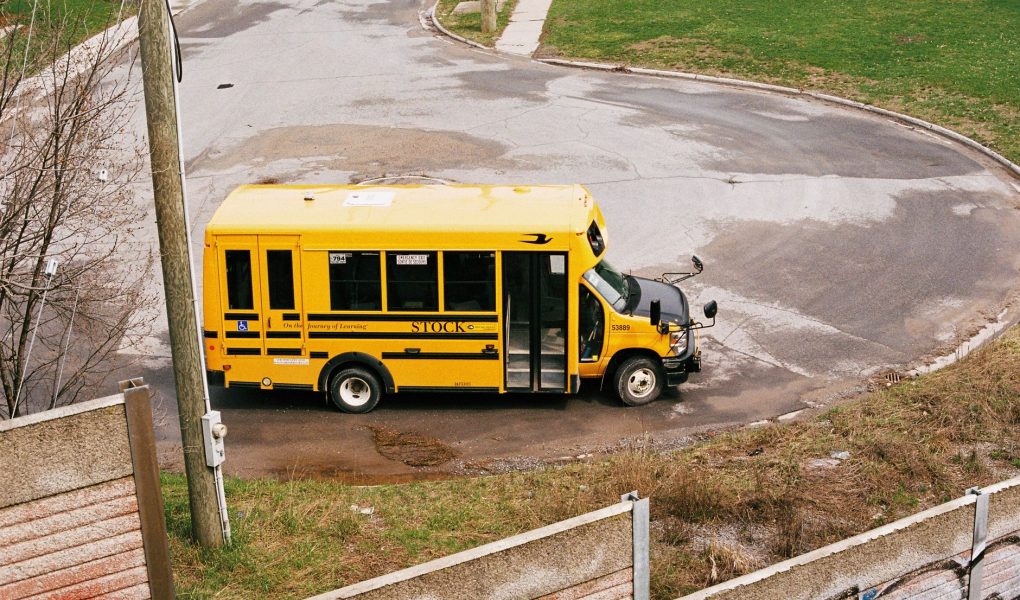
You searched for ‘school bus strike‘ and are likely concerned about its effects. This article explores the implications of the current school bus strike on families and education.
What is the school bus strike about?
The recent school bus strike has raised concerns among parents, students, and educators. This strike stems from ongoing disputes between bus drivers and transportation authorities regarding wages, working conditions, and safety measures. The drivers, feeling undervalued and overworked, have united to demand better treatment and fair compensation for their essential role in the education system.
As a result of the school bus strike, many students are facing significant challenges in getting to and from school. Parents are being forced to make last-minute arrangements, often resulting in increased stress and uncertainty. The implications extend beyond just transportation; missed school days can affect students’ academic performance and social interactions.
- Transportation Disruption: Many students rely on buses for their commute, and the strike has left them without reliable transportation.
- Increased Parental Burden: Parents must now find alternative ways to ensure their children attend school, leading to logistical challenges.
- Academic Impact: Prolonged absence from school may hinder students’ learning progress and engagement.
Addressing the underlying issues is crucial for restoring normalcy and ensuring that students can continue their education without disruption.
Reasons behind the school bus strike
The recent school bus strike has raised numerous concerns among parents and students alike. Various factors contribute to this escalating situation, and understanding them is crucial for comprehending its impact.
One of the primary reasons behind the school bus strike is inadequate funding. Many school districts face budget cuts, resulting in reduced resources for transportation services. This lack of financial support often leads to insufficient maintenance of bus fleets and low driver wages, creating a challenging environment for those who operate these essential services.
Another significant factor is driver shortages. With many drivers leaving the profession due to low pay and challenging working conditions, the remaining workforce is stretched thin. This directly affects the reliability of school bus services, prompting parents to seek alternative transportation options.
Furthermore, contract disputes between school districts and transportation companies have intensified frustrations. Negotiations over wages and working conditions have reached a standstill, pushing drivers to take a stand through the school bus strike.
Ultimately, these issues highlight the urgent need for solutions that prioritize the welfare of both students and those who transport them.
Impact of the school bus strike on students
The ongoing school bus strike has significantly affected students across the region. With many parents unable to transport their children to school, the strike has led to various challenges for families.
Students are facing:
- Increased Absenteeism: Many children are missing classes, which can impact their learning and academic performance.
- Safety Concerns: Parents are worried about their children’s safety while walking longer distances to school or waiting for rides.
- Emotional Distress: The uncertainty of transportation has created stress and anxiety among students, affecting their overall well-being.
Moreover, the strike has disrupted extracurricular activities. Many schools rely on bus services for transporting students to sports events and after-school programs, limiting their participation. As a result, students are not only missing out on academic opportunities but also on social interactions that are vital for their development.
The broader implications of the school bus strike extend to families who are now juggling work commitments and childcare, highlighting the urgent need for a resolution to this ongoing issue.
How parents are coping with the school bus strike
As the school bus strike continues, parents are finding innovative ways to cope with the disruption. The absence of reliable transportation has created significant challenges for families, forcing many to rethink their daily routines.
Many parents have resorted to carpooling with neighbors or friends to ensure their children can get to school safely and on time. This has fostered a sense of community, with families coming together to share responsibilities. However, not all parents have the flexibility to adjust their schedules, leading to increased stress and anxiety.
In addition to carpooling, some parents have turned to public transportation. This option, while viable for some, poses its own difficulties, particularly for younger students who may struggle with the unfamiliarity of buses or trains.
Furthermore, working parents are feeling the strain as they juggle their jobs alongside their children’s transportation needs. The school bus strike has highlighted the critical role that reliable transportation plays in supporting families and ensuring that students receive the education they deserve.
Overall, as parents navigate these challenges, the impact of the school bus strike is felt deeply within the community.
Future of the school bus strike
The future of the school bus strike remains uncertain as discussions between the school district and transport workers continue. As negotiations evolve, both sides express varying levels of optimism and concern. Many stakeholders are closely monitoring the situation, recognizing that a resolution is crucial for the well-being of students and families.
Recent meetings have indicated a willingness to find common ground, but significant challenges persist. Parents are particularly anxious, as the ongoing disruption affects their daily routines and their children’s access to education. The possibility of a prolonged school bus strike could lead to further complications, including longer commute times for families and increased pressure on alternative transportation methods.
Additionally, educators are voicing their concerns about the impact on student attendance and engagement. Students who rely on school buses might miss out on key learning opportunities if the strike continues. It is essential for all parties involved to prioritize the needs of students and work towards a swift resolution that ensures reliable transportation services are restored.
Community response to the school bus strike
The community response to the school bus strike has been a mix of support and frustration. Many parents have expressed solidarity with the bus drivers, acknowledging the essential role they play in ensuring safe transportation for their children. Local advocacy groups have organized rallies to raise awareness about the drivers’ demands, highlighting the importance of fair wages and better working conditions.
However, the disruption caused by the school bus strike has left some families scrambling. As a result, numerous parents have turned to carpooling arrangements or public transportation as alternatives. Many local businesses have also stepped in, offering discounts to families affected by the strike to help ease their financial burden during this challenging time.
In addition, community forums have emerged where residents discuss the implications of the strike, sharing tips and resources. Parents are coming together to support one another, forging new connections that may not have existed before. Overall, the school bus strike has not only highlighted the critical issues at hand but also strengthened community bonds as families navigate these trying circumstances together.
Photo by Jaykumar Bherwani on Pexels