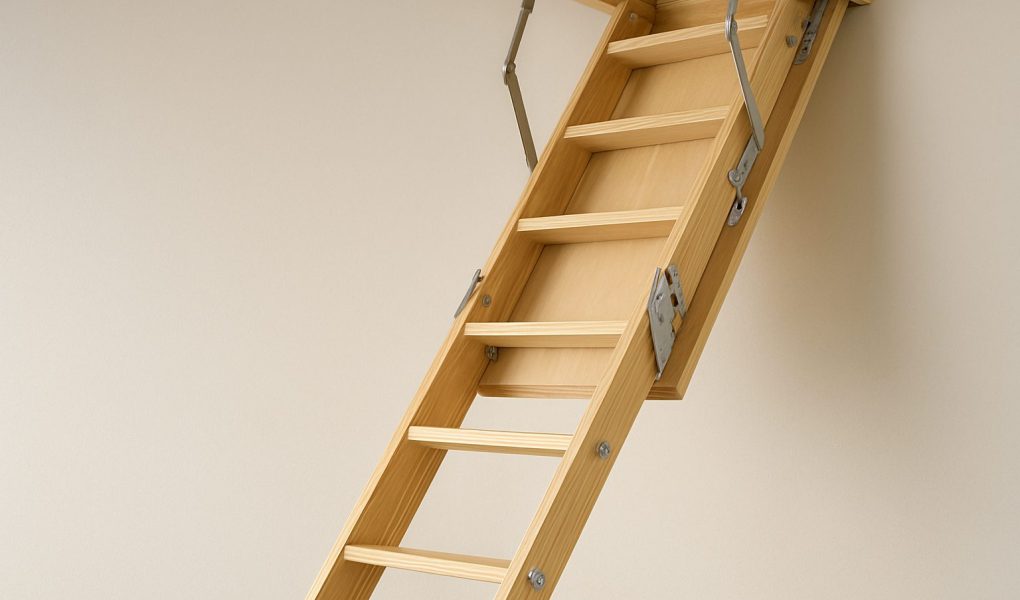
What Safety Standards Should a Loft Ladder Meet?
Loft access should be convenient without compromising household safety. Before installing loft ladders, homeowners should understand how ladder design, load capacity, installation quality, and safe operating procedures work together to reduce accident risks. In the UK, selecting suitable equipment involves checking manufacturer instructions, relevant product standards, and applicable building requirements. A ladder that fits the opening is not automatically safe; it must also provide stable access, adequate clearance, and reliable support throughout everyday use.
Why Is Load Capacity Important?
A ladder must support the combined weight of the person using it and anything they carry. Manufacturers normally specify a maximum load, which should never be exceeded. Homeowners should check the product documentation rather than estimating its capacity from appearance or material.
For practical safety, consider the weight of tools, storage containers, and other items transported into the loft. Carrying bulky objects can also affect balance, even when the stated weight limit is respected. Heavy or awkward loads should be raised separately using a suitable method.
How Should a Loft Ladder Be Installed?
Correct installation is essential for dependable performance. The ladder must suit the loft opening, ceiling height, available floor space, and surrounding structure. Fixings should be appropriate for the supporting material, and the frame must be secured according to the manufacturer’s instructions.
An incorrectly positioned ladder may slide, twist, or place excessive stress on its mounting points. If the ceiling structure requires alteration, professional advice should be obtained before work begins. Installation should also preserve safe access to the opening and avoid obstructing doors, walkways, or other household features.
Which Ladder Materials Offer Reliable Performance?
Timber, aluminium, and other approved materials may be suitable, depending on the product’s intended use. The important considerations are construction quality, durability, grip, and the manufacturer’s declared performance.
Timber components should be checked for cracks, loose joints, and deterioration. Metal ladders should be inspected for bent sections, corrosion, damaged hinges, and worn locking mechanisms. Material alone does not determine safety; a properly designed and maintained product is more important than appearance.
What Features Help Prevent Falls?
Secure handholds, slip-resistant treads, stable feet, and reliable locking components can improve everyday safety. Some models include automatic opening mechanisms or additional handrails. Homeowners should confirm that every moving section locks correctly before climbing.
Lighting is another important consideration. A dim loft entrance can conceal the ladder’s position, stored objects, or changes in floor level. Adequate illumination around the opening and landing area helps users identify potential hazards before they climb.
How Frequently Should a Loft Ladder Be Inspected?
A brief visual inspection before use can identify obvious problems. Check hinges, fasteners, joints, feet, treads, and locking mechanisms for looseness, wear, or damage. Follow the manufacturer’s maintenance schedule for more detailed checks.
There is no single inspection interval suitable for every model and household. Frequently used ladders may require closer attention than equipment used occasionally. Any ladder showing structural damage, unusual movement, or unreliable locking should be taken out of service until repaired or replaced appropriately.
Do UK Building Regulations Apply to Loft Ladders?
Requirements depend on the property, the work being undertaken, and the intended use of the loft. Building regulations may become relevant when structural alterations, fire safety provisions, insulation, or conversion work is involved. A simple access ladder should not be assumed to make a loft suitable for habitation.
Homeowners should consult their local building control service or a qualified professional when the project involves significant alterations. Product safety documentation and building compliance are separate considerations, and both may need attention.
What Are the Essential Rules for Safe Everyday Use?
Always face the ladder when climbing, maintain three points of contact where practicable, and avoid rushing. Keep footwear secure and treads clear of dust or stored items. Never climb a damaged ladder or allow children to operate a folding mechanism unsupervised.
How Can Homeowners Maintain Long-Term Safety?
Responsible selection, professional installation where necessary, regular inspection, and careful operation form the foundation of loft ladder safety. By checking the manufacturer’s guidance and addressing defects promptly, homeowners can maintain reliable access while reducing avoidable risks.
Key Points
- Loft ladders must be designed to meet specific load capacities and should not be used beyond those limits.
- Correct installation of loft ladders is essential to prevent potential sliding or operational issues and should fit the loft opening, height, and surrounding structure.
- Homeowners should regularly inspect their loft ladders for wear or damage, focusing on hinges, fasteners, and tread conditions before use.
- Building regulations may apply to loft ladders depending on the property and intended use, particularly when significant alterations or safety provisions are involved.
- Safety features such as slip-resistant treads, secure handholds, and proper lighting around the ladder area are crucial for preventing falls.